
 العربية
 Русский
 اردو
اردو
 中文
中文
 Français
Sharjah Ruler Approves Increase of Living Standards to 20,000 AED
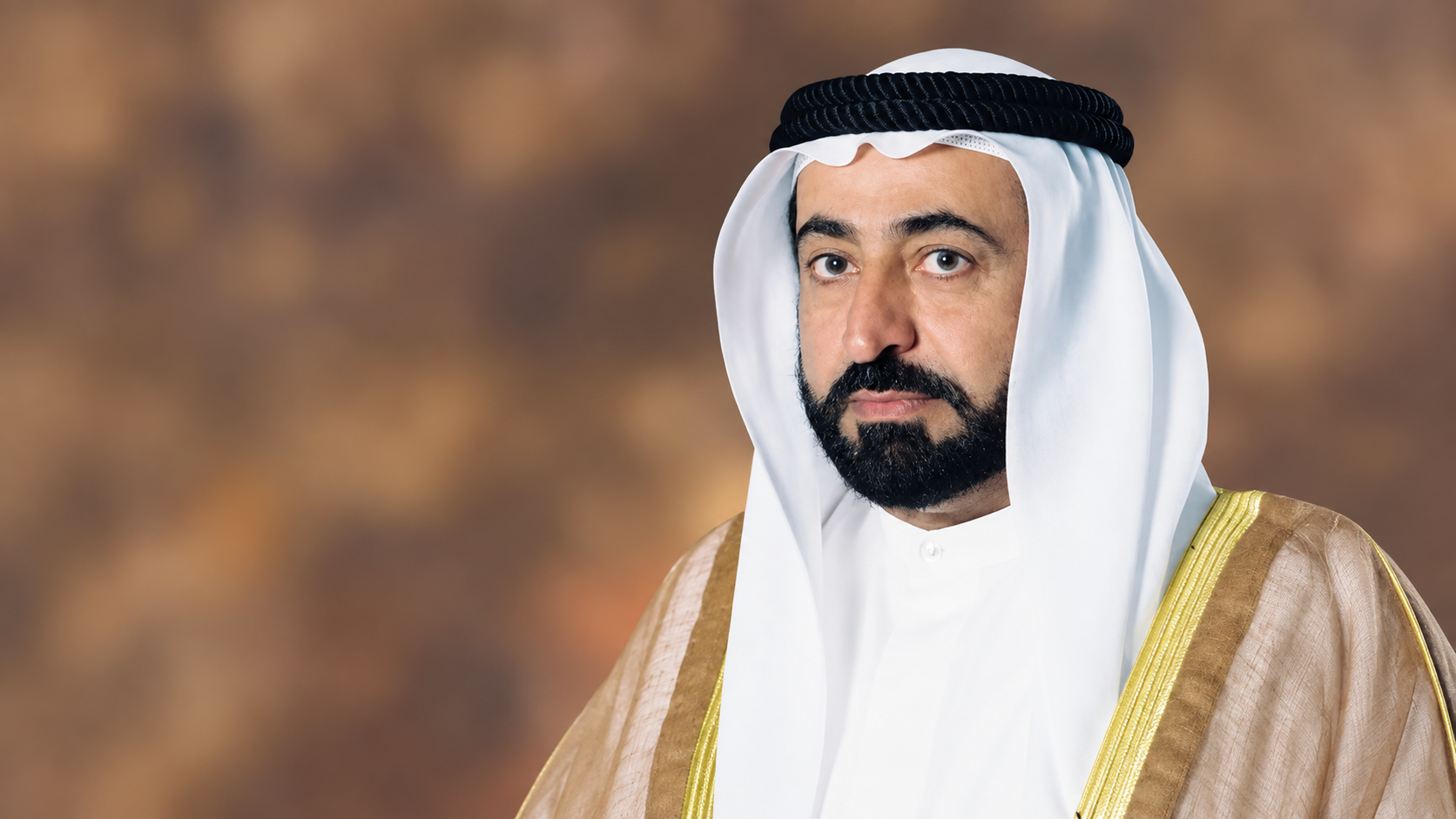
His Highness Sheikh Dr Sultan bin Mohammed Al Qasimi, Supreme Council Member and Ruler of Sharjah, has approved raising the standard of decent living through a pay rise for 3,270 Sharjah Government employees in the “senior grades” category at an annual cost exceeding AED 160 million, and an increase in pensions for 1,470 retirees from the Sharjah Government, calculated according to grade, at an annual cost exceeding AED 37 million. His Highness directed that the increase cover all Sharjah Government employees and centralised and decentralised entities, including universities. His Highness also approved a part-time work system in the Sharjah Government to employ 1,000 senior citizens, approved an increase in social support for 1,473 beneficiaries of social services, and directed that the pace of recruitment be accelerated over the remaining months of this year to employ 1,200 male and female citizens, in order to meet the Emirate of Sharjah's 2026 employment target of 3,000 jobs.
Under the directives of His Highness the Ruler of Sharjah, the salaries of 3,270 Sharjah Government employees in the “senior grades” category — namely the third, second, first, special “A” and special “B” grades — will be increased at an annual cost exceeding AED 160 million. His Highness approved an increase in pensions for 1,470 retirees from the Sharjah Government according to grade, at an annual cost exceeding AED 37 million, including adjustments to the salaries of the general job schemes and the jobs of engineers, doctors and veterinarians, doctors and pharmacists, and medical technicians. The net increase for each job grade in the Sharjah Government under the general job scheme amounts to AED 3,375 after pension deductions, starting from the current month, and covers all Sharjah Government employees and centralised and decentralised entities, including universities.
In accordance with His Highness's directives, an amount of AED 3,375 will be added for each beneficiary of social services, at an annual cost of approximately AED 60 million. His Highness had approved last Thursday an increase in social support for 6,652 beneficiaries, bringing the total number of approved increases for beneficiaries of social support to 8,125.
His Highness the Ruler of Sharjah also reviewed employment statistics in the Emirate of Sharjah, which showed that 1,800 male and female employees were hired in government entities in the Emirate of Sharjah during the period from 5 January 2026 to 3 September this year, including 996 males and 804 females, comprising 4 doctorate holders, 36 master's holders, 1,097 bachelor's holders, 16 diploma holders and 647 secondary school certificate holders, with training continuing to recruit new numbers.
His Highness directed that the pace of recruitment be accelerated over the remaining months of this year to employ 1,200 male and female citizens, in order to meet the Emirate of Sharjah's 2026 employment target of 3,000 jobs. His Highness approved the new part-time work system in the Sharjah Government to employ 1,000 people on a part-time basis, covering senior citizens, their wives and retirees, with the system offering flexible options such as working three days a week or specified hours. The system aims to achieve a balance between professional and family life, improve the family's financial stability, provide job opportunities for beneficiaries of social assistance who are able to work, offer flexibility in the work environment, and strengthen family stability, improve quality of life and enhance the social participation of community members.
Speaking in a phone-in on the “Direct Line” programme, His Highness the Ruler of Sharjah said: “Today's approvals included the part-time work system programme in the Sharjah Government. This programme is not aimed at employing retirees who are able to bear the effort of full-time work; rather, in this programme we are targeting the senior citizen sitting at home, who, if we ask what he waits for each day, the answer may be painful — that he is waiting for the end. Here I say 'no'. I will bring him and his wife out of the house, and he will come to work two or three days a week, or perhaps an hour or two a day, depending on his ability. Even if he comes to work leaning on a cane, I want him to join us so that his spirit is refreshed, so that he feels the pleasure of contributing to the service of the nation and society, and so that he receives a wage for his work.”
His Highness added: “I am not targeting those who are able to work; rather, my aim with this programme is to bring senior citizens out of the house and involve them in life with us. God willing, they will find no hardship in this work, as the jobs will not be tiring. For example, one of these jobs is the task of checking visitors' tickets at Sharjah's museums, where the senior citizen will sit on his chair in the air conditioning to check the visitor's ticket, make a small tear in it and return it to him before he enters the museum. He will also travel to work and return home in a car provided by the workplace, driven by a driver employed by the workplace. In this way we will have achieved our main goal of employing senior citizens under the part-time system, which is participation in life and seeing the street, people and customers. The senior employee will wake up early, get dressed, leave his house and go to his work, and in this way we will protect them from the depression caused by isolation at home and the feeling of being unproductive, because this work lets the senior citizen see people, society and the interaction that makes him long for life. This is the main goal of the part-time employment programme: we want our community to be vibrant with the participation of all its groups.”
His Highness the Ruler of Sharjah concluded by explaining how the part-time system works, saying: “The part-time employment programme is divided into two types. The first is the hourly system, where the employee works only one or two hours a day according to his ability. The second is the daily system, where the employee works three separate, 'non-consecutive' days a week, so that he rests after each working day. This programme does not fall within the financial calculations of the Department of Human Resources; rather, it has a special system that I created myself. We ask God to protect our senior citizens and grant them a dignified life.”
Source: Sharjah Government Media Bureau (SGMB)